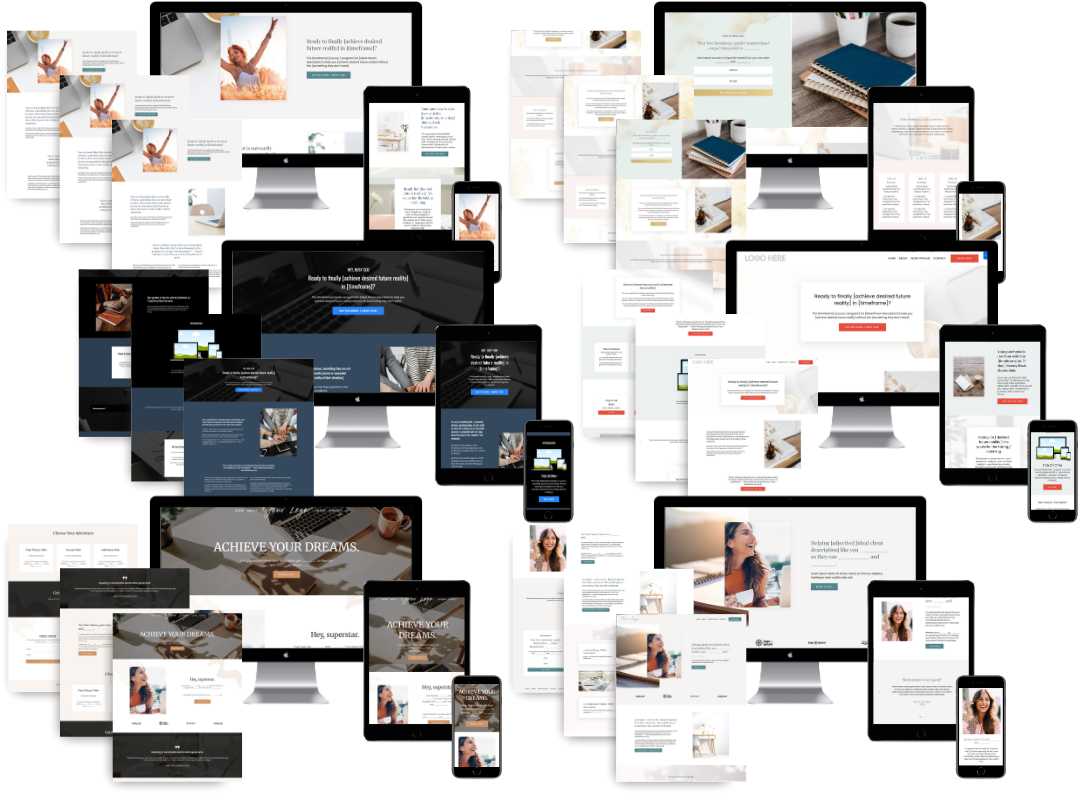
The 10 Best Practices for Effective Web Design for Coaches

If you’ve ever looked at your website and thought, “This doesn’t quite feel like me,” you’re not alone.
Most coaches start with a site that gets the job done, and then, once their business grows a bit, they notice the disconnect. Maybe the words feel flat. Maybe the layout feels chaotic. Or maybe nothing is technically “wrong,” but the overall experience doesn’t reflect the way you actually support your clients.
That’s the real heart of web design for coaches: creating a space that feels aligned with the way you work. When someone lands on your site, you want them to sense your presence even before they read your bio. Not through flashy graphics or complicated features, but through clarity and intention.
A strong coaching website should build trust, highlight your coaching programs and services, support your SEO strategy, guide visitors toward the next step, reflect your coaching niche, and attract more dream clients. I’ll show you how to do this below. ✨
10 Best Practices for Effective Web Design for Coaches
A great coaching website needs to introduce you, explain how you help, build trust, and gently guide people toward the next step — all without overwhelming them.
And the moment those elements fall into place, most coaches notice something surprising: their business starts to feel more spacious, because their professional website carries part of the load.
These are the best practices I recommend when creating a high-converting, personality-driven coaching website.
1. Start With a Clear Coaching Message
Clarity is the foundation of any coaching website.
Visitors should be able to understand who you help, how you help them, and what to do next within the first few seconds of landing on your homepage. If your message is too vague or too broad, new clients won’t feel the sense of recognition that encourages them to keep reading.
It’s simple: when you stop trying to speak to everyone and start speaking directly to your ideal clients, your website immediately becomes more powerful.
2. Keep Your Website Clean, Calm, and Easy to Navigate
A clear, spacious layout makes your website feel more inviting. People stay longer when the design feels calm, and the information is easy to follow. Choose clear, easy-to-read fonts and a small, consistent color palette.
Give each section breathing room. Many coaches are surprised by how much more confident and grounded their website feels once the visual noise is gone. 🌿
3. Add Social Proof That Feels Genuine and Aligned
Visitors want a sense of what it feels like to work with you, and authentic client testimonials help showcase that experience. A few short client stories that show real moments of change go much further than a long list of generic praise.
Share client stories that reflect the clients you support now and past clients you’ve helped. When visitors see themselves in those experiences, your coaching feels more tangible. 💖
4. Explain Your Coaching Services Clearly and Simply
Your coaching services should feel approachable the moment someone reads them. Instead of listing features, talk to people the way you would on a call. Speak about who each offer is really for, what the experience feels like, and what someone might walk away with.
5. Create a Homepage That Welcomes and Guides
Your homepage is the first impression of your coaching website. Visitors should know right away what you do and who you help. Welcome them with a warm headline, short intro, a quick highlight of your coaching services, and a clear call to action.
👉 If you want a step-by-step way to tighten up this area of your site, grab my free Coach Website Checklist.
6. Write an About Page That Builds Connection
Your About page is where connection happens. Share the story behind your business and the values that shape your coaching style. People hire coaches they trust, and trust grows from story, not credentials alone.
This page often becomes a turning point when visitors feel seen in your journey or connect with the heart behind your approach. ☕
7. Use Simple, Intuitive Navigation
Clear navigation makes any coaching website feel more professional. A good coaching website has a simple top menu:
Home, About, Services, Blog, Contact
Too many links create confusion, and confusion shortens the visit.
There’s a moment many coaches experience when they simplify their navigation. The whole site instantly feels more polished. It’s a small change that often produces a big shift.
8. Choose the Right Website Builder for Your Coaching Business
Your website builder should support the way you work. Coaches often benefit from platforms that bring scheduling, email marketing, and course hosting together in one place. Kajabi is a strong choice because it lets you manage your entire coaching business online without juggling multiple tools.
A reliable builder also saves time. Many coaches reach a point in the process where they say, “I didn’t realize it could feel this smooth.” The right platform creates that feeling earlier and makes running your website much more enjoyable.
9. Use SEO Strategy to Attract Aligned Website Visitors
SEO helps the right people find your coaching website when they’re searching for guidance. Pay attention to the questions your clients ask most often and turn those into blog posts your target audience will appreciate.
Add keywords where they naturally fit and keep each page easy to move through. It may feel like magic when the right visitors start showing up, but it’s really just thoughtful SEO at work.
10. Make Your Calls to Action Clear and Supportive
📣 A Call To Action (CTA) should gently point visitors toward their next step. Keep your CTAs visible and straightforward so the next step feels obvious, whether that’s booking a consultation, learning more about your coaching programs, or opening a blog post that answers their questions.
👉 If you want to see these practices in action, check out 12 Best Kajabi Websites to Drool Over.
How Effective Web Design Attracts Your Dream Clients
Great website design attracts dream clients because visitors can instantly see themselves in your message, your coaching niche, and the transformation you offer. When your content is clear, and your layout is user-friendly, potential clients pick up on your expertise quickly and remain engaged.
With strong branding, testimonials, intuitive navigation, and a welcoming homepage, visitors naturally move toward the coaching services that fit their needs. This ease helps ideal clients trust you, explore your services page, and connect more deeply with your work.
Key Elements of a High-Converting Website Design
A high-converting coaching website feels clear, trustworthy, and easy to move through. When your message, visuals, and layout all work together, visitors can understand who you help and how your coaching services show up for them.
Strong branding, comfortable spacing, intuitive navigation, and meaningful client testimonials all help create a user-friendly experience that builds confidence.
These principles apply to all coaching niches, including web design for life coaches, where connection and clarity matter just as much as visuals.
Common Web Design Mistakes Coaches Should Avoid
Many coaches unintentionally overcomplicate their websites. Long paragraphs, unclear service descriptions, and too much visual clutter can overwhelm visitors. Simplicity is a powerful design choice. A clear website helps your expertise stand out naturally.
Once you simplify, you’ll notice something important: Your website supports your business instead of slowing it down.
Tools & Website Builders Coaches Can Use
Coaches have more tools than ever to build a strong online presence. Kajabi is a popular choice among life coaches and business coaches because it combines website design, courses, email marketing, and scheduling in one place.
Supporting tools matter too, such as Canva for visuals, and Acuity or Calendly for scheduling.
The goal isn’t to use every tool available; it’s to choose a website builder and other tools that help you stay organized and create a professional website you can maintain with confidence.
FAQs
What Makes Web Design for Coaches Different From Regular Web Design?
Web design for coaches focuses on trust, clarity, and personal connection. People visiting a coaching website are often exploring whether you are the right person to support their growth, so the design needs to feel warm and grounded. It guides visitors through an emotional decision, not just a transactional one.
How Do I Make My Coaching Website Look More Professional?
A coaching website looks more professional when the branding feels consistent, the spacing is clean, and the information is organized in a way that feels supportive.
Clear typography, cohesive colors, and thoughtful visuals help visitors stay focused. Professional design communicates confidence and helps people feel comfortable reaching out.
Should I Use a Template or Invest in Custom Web Design?
Templates work well when you need a quick fix or want structure without a big investment. Custom web design becomes helpful when you want a site that reflects your unique coaching style and long-term goals. The best choice depends on where you are in your business and how quickly you want to grow.
Why Is Mobile-Friendly Web Design Important for Coaches?
Many visitors will first explore your coaching website on their phones, so a mobile-friendly design shapes their entire impression. When your site is easy to read, scroll, and tap on a small screen, people stay longer and feel more at ease. A smooth mobile experience also supports stronger search visibility.
Do Coaches Need a Blog for Better Web Design and SEO?
Yes. A blog improves your coaching website by giving visitors helpful content and strengthening your SEO. When you write about questions your clients are already asking, your posts attract readers who are actively searching for support. This helps your site get found more often and builds trust with potential clients.
The Bottom Line
An effective coaching website needs clarity, connection, and a structure that guides visitors with ease. When your site reflects your personality and supports your coaching programs, it becomes a strong foundation for your business. And when it finally feels like your dream website, it starts working with you in a meaningful way.
👉 If you’re ready to create a coaching website that truly supports your growth, I'd love to help.
 Sierra Janisse · Kajabi Designer, Kajabi Expert, & Kajabi Website Designer
Sierra Janisse is a verified Kajabi Expert who helps online business owners build profitable websites on Kajabi. From SEO and copywriting to website design, branding, automations and funnel strategy, she is the go-to expert for Kajabi users who want to attract more clients and customers with their websites.
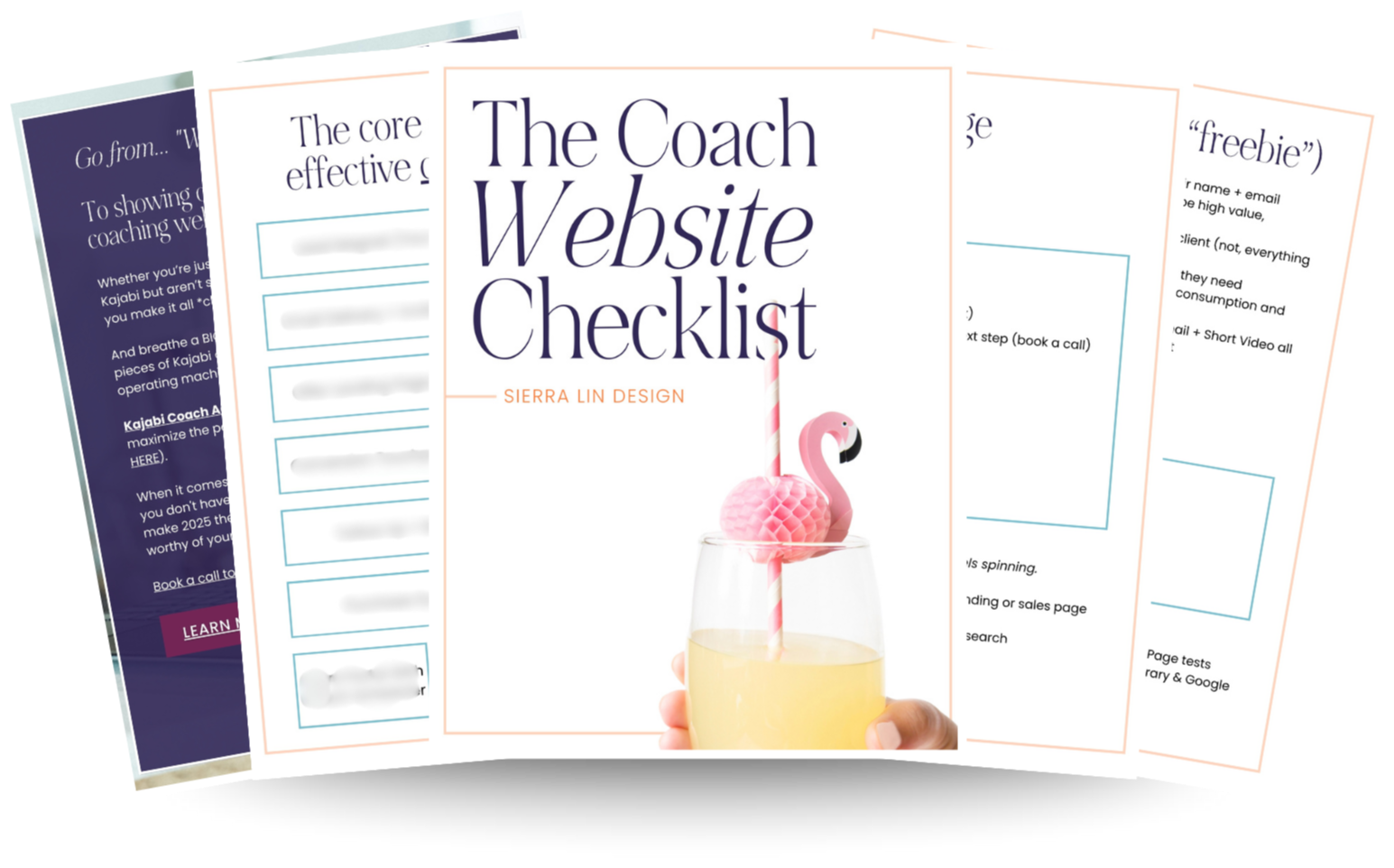
🚨Get the FREE Checklist
Skip the Kajabi tears—Swipe the free Website Checklist & Funnel Map
Exactly what should go where on your Kajabi site to maximize leads.